GST pull-down試劑盒產品簡介
輝駿生物的GST
pull-down試劑盒和His pull down試劑盒能夠高效調取GST融合蛋白或His融合蛋白在各類樣本中的互作蛋白。
在GST
pull-down或His pull down實驗前,先通過基因工程技術手段將目標基因連入帶有GST標簽或His標簽的原核表達載體中,并導入大腸桿菌中進行原核表達。之后,GST融合蛋白通過GTH(
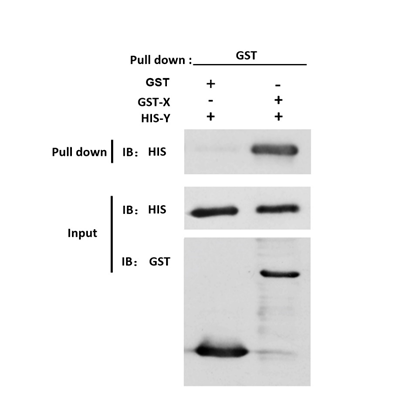
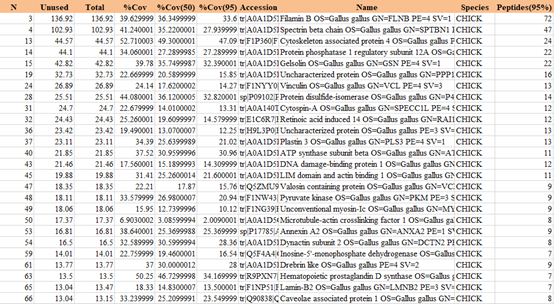
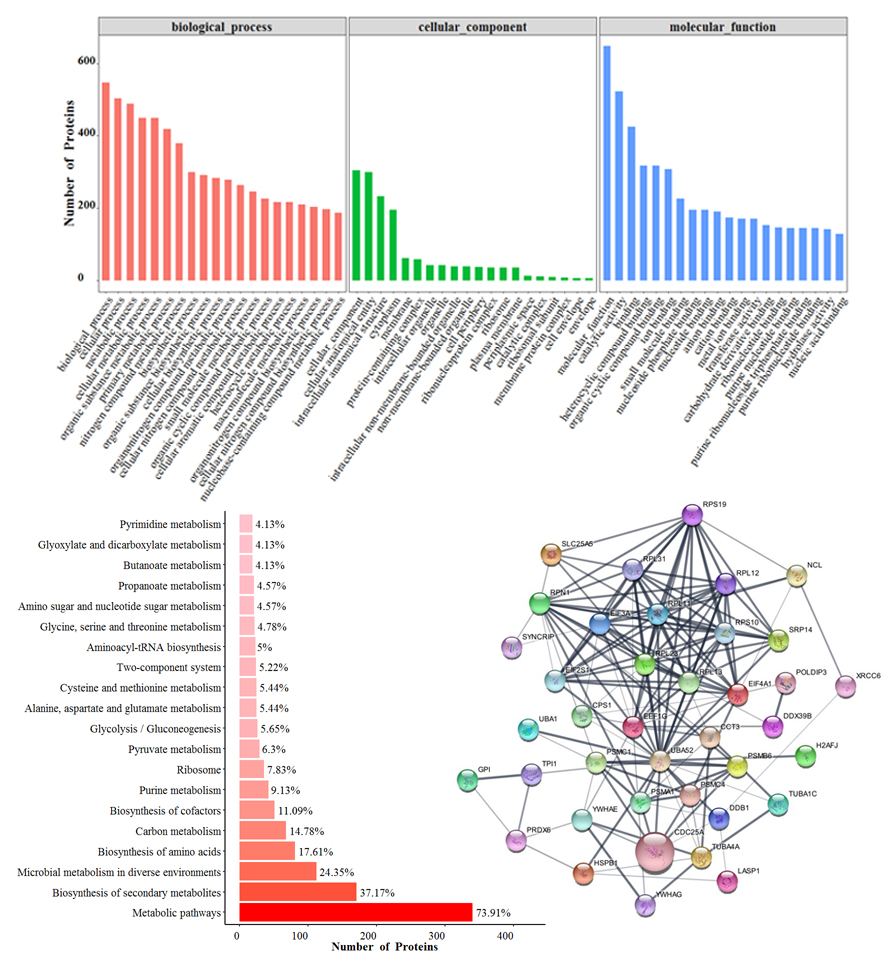
Glutathione)樹脂純化,His融合蛋白通過Ni-NTA 樹脂純化。最后,加入樣本裂解液孵育,樣本中與GST或His融合蛋白有相互作用的蛋白便可被吸附而分離。分離的蛋白產物既可以用Western blot檢測已知蛋白,也可以用質譜(LC-MS/MS)鑒定未知蛋白。
| 試劑名稱 | 體積(20 Tests) | 體積(40 Tests) | 保存條件 |
GST標簽純化樹脂/His標簽純化樹脂 | 950 μL | 1.9 mL | 4 ℃ |
| 裂解緩沖液 | 24 mL | 48 mL | 4 ℃ |
| 漂洗液 | 70 mL | 140 mL | 4 ℃ |
| 洗脫緩沖液 | 1.1 mL | 2.2 mL | 4 ℃ |
| 蛋白酶抑制劑 | 600 μL | 1.2 mL | -20 ℃ |
| 10mL 離心管 | 1個 | 1個 | —— |
1、調取效率高:GST融合蛋白與樹脂親和力強,可以高效純化目標蛋白及其互作蛋白;
2、適用范圍廣,優化的裂解液配方適用于動物、植物組織、微生物等各類型組織和細胞樣本;
3、洗脫液適配后續Western Blot及質譜(LC-MS/MS)實驗;
4、操作簡便,耗時短,適用于初學者。
1. 通過原核表達系統表達帶有GST標簽或His標簽的融合蛋白;
2. 在細菌上清液中加入GST標簽親和純化樹脂或His標簽親和純化樹脂,4 ℃孵育2 小時;
3. 將待測樣本裂解液加入上述體系中,4 ℃孵育過夜;
4. 漂洗、洗脫得到目標蛋白及其互作蛋白復合物。
GST pull down試劑盒—客戶文章
1. DSS1 inhibits autophagy to activate epithelial-mesenchymal transition in a pro-metastatic niche of renal cell carcinoma. 2025. Nature Communications. 1區, IF=14.7.
1. Chen S.L. et al: A GYS2/p53 Negative Feedback Loop Restricts Tumor Growth in HBV-Related Hepatocellular Carcinoma. 2018. Cancer Research. 1區, IF=11.2.
2. Yun F. et al: NOD2 reduces the chemoresistance of melanoma by inhibiting the TYMS/PLK1 signaling axis. 2024. Cell Death Dis. 1區, IF=9.6.
3. Yu C.P. et al: Flot2 acts as a novel mediator of podocyte injury in proteinuric kidney disease. 2023. Int J Biol Sci. 1區, IF=9.2.
4. You H. J. et al: Hepatitis B virus X protein promotes vimentin expression via LIM and SH3 domain protein 1 to facilitate epithelial-mesenchymal transition and hepatocarcinogenesis. Cell. 2021. Commun Signal. 2區, IF=8.4.
5.
Research note: The critical role of the interaction between Eimeria
tenella invasion protein RON2 and host receptor annexin A2 in mediating
parasite invasion. 2024. Poultry Science. 2區, IF=4.2.
6.
Lin J.M. et al: A positive feedback loop between ZEB2 and ACSL4
regulates lipid metabolism to promote breast cancer metastasis. 2023. eLife. 1區, IF=6.4.



 實驗熱線:4006991663